
Purple 💜 The Color Of Power, Desire & Unforgettable Brands
- aquamarinedesignin
- May 20
- 7 min read

Few colors in history carried as much power, rarity, and symbolism as purple.
Long before luxury branding existed, Purple and Argaman dyes were associated with royalty, exclusivity, spirituality, and authority, becoming some of the most precious pigments of the ancient world.
Purple In the ancient world:
For centuries, purple dye was incredibly expensive and difficult to produce.
The famous “Tyrian Purple” (Argaman) pigment in the ancient Mediterranean was extracted from sea snails living along the Mediterranean coast, especially species such as "Bolinus Brandaris", known as the "spiny dye murex".
Since only the wealthy could afford it, purple became psychologically linked with:
Exclusivity
Prestige
Sophistication
Power
Status

The Phoenicians became legendary for producing this extraordinary pigment, a process so difficult, expensive, and time consuming that purple fabrics became accessible almost exclusively to kings, emperors, nobility, and religious authority figures.


Color itself became hierarchy & a status symbol:
Archaeological evidence of these sea snails was even found in ancient regions such as Cyprus, Italy, and Spain, connecting purple to trade, wealth, civilization, and power for thousands of years.
In the Bible, Argaman appears repeatedly alongside tekhelet and scarlet fabrics in sacred ceremonial descriptions, including in the Book of Exodus:“Blue, purple, and scarlet yarns…”

Purple was never just decoration.
It was status, authority, rarity, and sacred symbolism woven into fabric itself.
That ancient psychological association never disappeared.
Even today, purple continues to communicate exclusivity, prestige, luxury, creativity, and elevated perception in modern branding systems.
It simply evolved into branding.
Purple role today:
Purple sits between blue and red on the color spectrum, thus, occupies one of the most fascinating positions in visual identity systems because it sits between two psychological worlds:
Blue brings trust, intelligence, stability, calmness, and professionalism.
Red brings passion, energy, emotion, stimulation, and visibility.
That balance gives purple a unique ability to feel premium, artistic, bold, emotional, luxurious, and unconventional all at once.
Violet Vs. Purple

Violet
Is the pure spectral tone directly connected to light itself.
Historically, it became associated with royalty, spirituality, authority, and elevated status.
Purple
Is the modern branding interpretation.
A blended tone that adapts across industries for emotional impact, differentiation, and memorability.
The Psychology of Purple in Branding:
In branding, color is never random!
Before a customer reads a slogan, understands a service, or experiences a product, the brain already reacts emotionally to color.
And among all branding colors, purple remains one of the rarest, boldest, and most psychologically complex choices.
Positioned at the edge of the visible light spectrum, purple is often perceived as one of the most powerful and transformative colors in nature, blending emotional intensity with depth, mystery, and imagination.
Even today, brands unconsciously benefit from that historical association.
That is why purple is frequently chosen by companies that want to appear elevated, premium, artistic, or visionary.
From Luxury to Streaming:
How Different Industries Use Purple Psychology?
Not all purple tells the same story...
Here are some of the stories behind the World’s Most Famous Purple Logos!

Entertainment, Fantasy & Imagination Brands
Purple is one of the dominant colors in entertainment and fantasy branding because it instantly creates a sense of imagination, magic, wonder, and emotional escapism. For example:
The Walt Disney Company

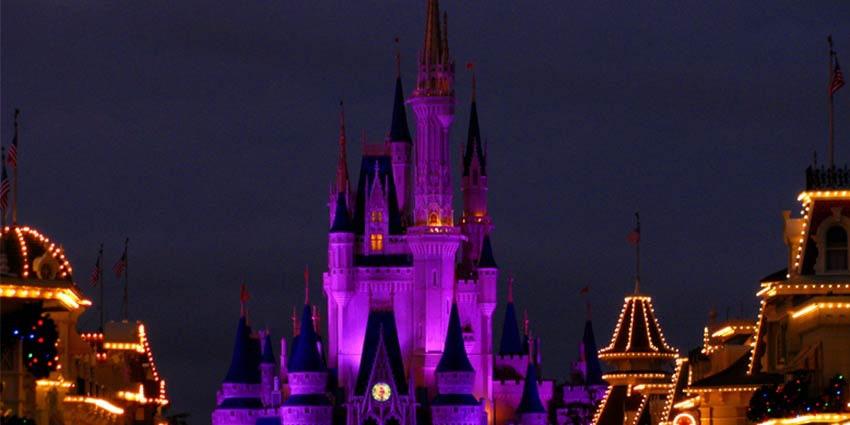


The Walt Disney Company is a global entertainment and media conglomerate headquartered in Burbank, California. Founded in 1923 by Walt and Roy O. Disney, it has grown into one of the world’s most influential entertainment enterprises spanning film, television, theme parks, and streaming. Its operations combine creativity, technology, and storytelling to shape modern popular culture
The Walt Disney's Branding frequently uses deep blue-purple gradients across castles, fireworks, Disney+, and fantasy visuals because purple psychologically reinforces:
magic
imagination
emotional immersion
dreamlike storytelling
The iconic glowing castle became associated with a surreal emotional universe rather than ordinary entertainment.
Disney’s purple tones are rarely harsh or neon.
They are cinematic, atmospheric, and emotionally layered, helping audiences feel transported into another world.
Roku

Roku is an American streaming platform and consumer electronics company that builds the software and devices many households use to watch internet TV. It combines hardware (streaming players and smart TVs) with an advertising- and data-driven platform business that distributes streaming apps and its own free ad-supported service, The Roku Channel.
Roku's Branding - Premium Entertainment & Simplicity
Unlike brighter tech brands, Roku uses a darker royal purple that feels:
sophisticated
cinematic
mature
premium
The simplicity of the logo allows the color itself to become the emotional signature.
Roku’s purple positions the brand closer to premium entertainment experiences rather than playful social media culture.
Chocolate, Food & Sweet Brands
Purple is heavily associated with indulgence, richness, comfort, and premium emotional experiences in the food industry. Especially in chocolate branding, purple elevates products from simple sweets into emotional, luxurious experiences.
For example:
Cadbury
Cadbury is a British confectionery brand known for its chocolate and cocoa-based products. Founded in 1824 by John Cadbury in Birmingham, England, it is now owned by Mondelez International. Cadbury is one of the world’s largest and most recognizable chocolate makers, with iconic products like Dairy Milk and Creme Egg sold in over 50 countries.


Cadbury's Branding
Cadbury’s famous royal purple became so strongly associated with the brand that it evolved into a protected identity asset in multiple markets.
The deep purple transforms chocolate from a simple snack into something:
indulgent
premium
comforting
emotionally rewarding
The gold details often paired with the purple reinforce luxury and heritage even further.
Milka
Milka is a Swiss-origin chocolate brand established in 1901 by chocolatier Philippe Suchard and now owned by Mondelez International. Known for its lilac packaging and the “Lila” purple cow mascot, Milka is one of Europe’s most recognizable milk-chocolate brands, prized for its creamy texture derived from Alpine milk.


Milka's Branding - Softness, Warmth & Approachability
Unlike Cadbury’s royal luxury positioning, Milka uses soft lavender-purple tones to create:
warmth
gentleness
nostalgia
comfort
The softer shade makes the brand feel friendly, emotional, and family-oriented rather than elite or luxurious.
Even the famous Milka cow reinforces the brand’s calm and approachable emotional identity.
Sports, Prestige & Legacy Brands
In sports branding, purple is often chosen to create a sense of prestige, exclusivity, legacy, and iconic identity. For example:
The Premier League
Premier League uses purple to blend prestige, passion, and modern sports entertainment, reinforcing its identity as one of the world’s most iconic football brands.


The Wimbledon Championships - Prestige, Tradition & Royal Elegance

Wimbledon combines deep purple with green to communicate prestige, heritage, exclusivity, and timeless British elegance.
The purple reinforces the tournament’s royal and elite identity, helping it feel more ceremonial and iconic than a typical sports event.
Los Angeles Lakers - Fame, Power & Showtime Culture


The Lakers’ famous purple and gold identity symbolizes luxury, dominance, celebrity culture, and championship legacy.
The bold purple became strongly associated with the “Showtime” era, transforming the team into both a sports franchise and a global entertainment icon.
Baltimore Ravens - Strength, Mystery & Intensity


The Baltimore Ravens use dark purple to create a feeling of power, intimidation, mystery, and emotional intensity.
Combined with the raven symbol, the color gives the brand a dramatic and aggressive identity that stands apart from traditional NFL (National Football League) color palettes.
Technology, Communication & Community Platforms
Many modern digital platforms use purple to appear creative, expressive, innovative, and community-driven. For example:
Discord
Discord is a privately held American technology company that operates a real-time voice, video, and text communication platform. Founded in 2015, it began as a chat service for gamers but has since evolved into one of the world’s leading social platforms for online communities, with more than 200 million monthly active users across gaming, education, and creative sectors.
Discord's Branding - Community, Gaming & Digital Connection

Discord’s famous “blurple” color, a mix between blue and purple, was intentionally created to balance trust with creativity and community energy.
The logo itself resembles a friendly game controller face, reinforcing the platform’s origins in gaming culture while making the brand feel approachable, social, and interactive.
Over the years, Discord refined its purple identity into a cleaner and more modern digital aesthetic, helping it evolve from a gamer chat app into one of the world’s strongest online community platforms.
Twitch
Twitch is a live-streaming platform primarily focused on video game broadcasting, creative content, and real-time viewer interaction. Founded in 2011, it has become one of the world’s largest destinations for live entertainment, especially among gaming and esports communities. It enables streamers to build audiences and monetize their content through subscriptions, ads, and donations.
Twitch's Branding - Community, Creativity & Digital Culture


Twitch chose bright digital purple to separate itself from traditional corporate tech brands dominated by blue.
Its purple evolved over the years from a darker gamer aesthetic into a cleaner and more vibrant digital identity that feels:
interactive
energetic
youthful
creator-driven
The color helped Twitch become instantly recognizable inside gaming culture while still feeling emotionally expressive and community-focused.
Purple also works exceptionally well on screens, making Twitch visually dominant in streaming environments.
Emotional, Greeting & Sentimental Brands
Purple is also used by brands built around emotional connection, memories, celebration, and meaningful experiences.
In these industries, purple creates a feeling of warmth, sophistication, nostalgia, and emotional depth without becoming overly dramatic.
Hallmark
Hallmark Cards, Inc. is a privately held American company known for its greeting cards, gift products, and media ventures. Founded in 1910, it has grown into one of the world’s largest creators of personal expression products and operates media channels reaching millions of households.
Hallmark's Branding - Emotional Depth & Timeless Elegance
Hallmark uses deep purple to communicate emotional depth, elegance, warmth, and timeless sophistication, helping the brand feel both personal and premium.


Hallmark uses deep purple to communicate:
emotional sophistication
warmth
trust
sentimentality
timelessness
The crown symbol strengthens purple’s historic association with prestige and emotional value.
Rather than demanding attention, Hallmark’s purple creates intimacy and emotional connection.
Why Purple Continues to Dominate Across Industries?
Whether used by entertainment giants, luxury chocolate brands, streaming platforms, or emotional lifestyle companies, purple consistently helps brands communicate one core idea:
This brand offers more than a product.
It offers an experience, identity, emotion, or transformation.
That is why purple remains one of the most psychologically powerful colors in modern branding.
Purple also performs well digitally because it stands out in crowded interfaces dominated by blue.
💜 If purple feels like the language of your brand
Let’s talk! ☕
AquaMarine Design Studio
Instagram: aqm.design

Comments